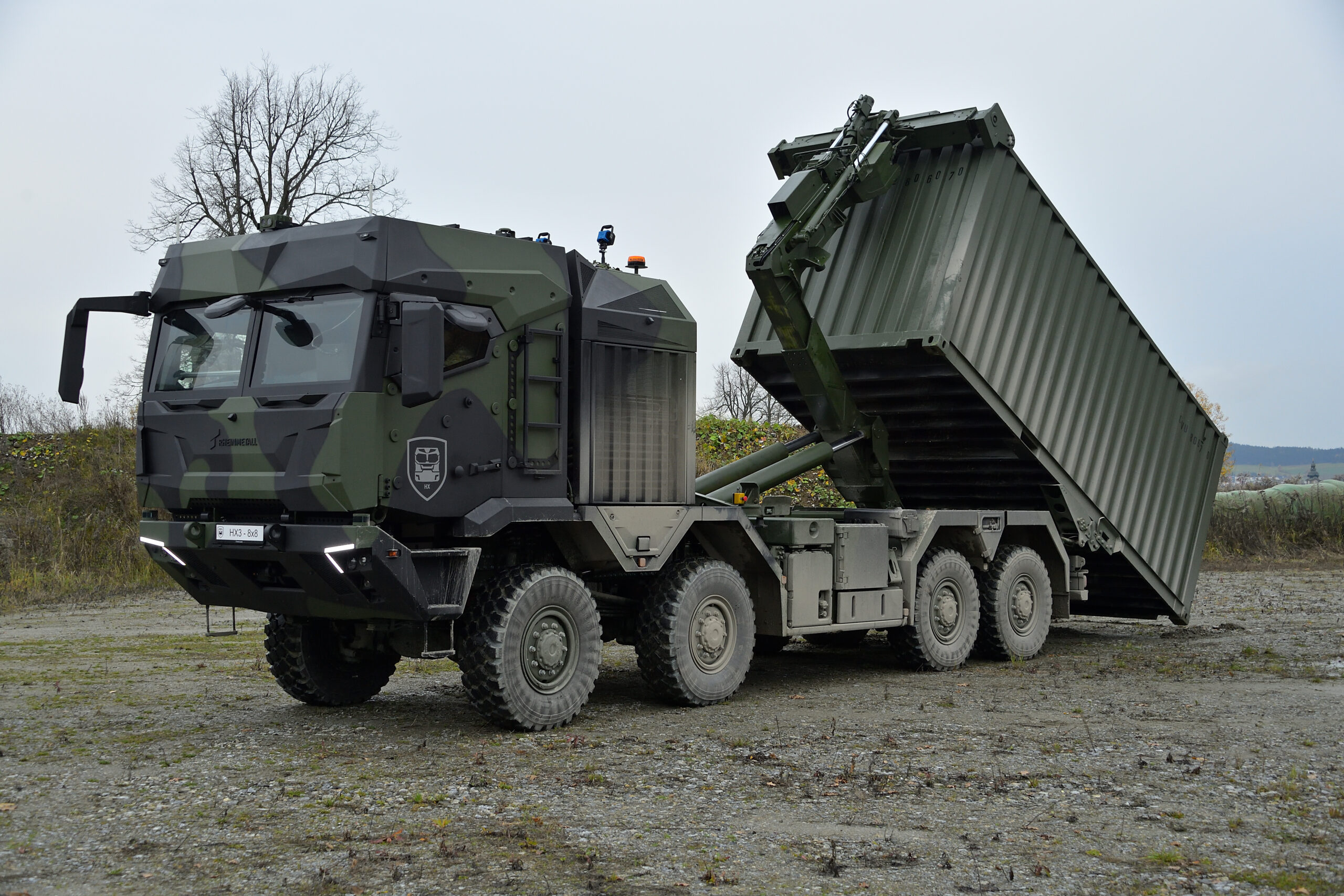
A collaboration that has what the Army needs for the Common Tactical Truck
GM Defense and American Rheinmetall Vehicles have a powerhouse team tuned to provide the required transformational capabilities.
Two powerhouse defense companies have joined forces to deliver the most advanced military truck prototype for the world’s finest fighting force.
The parent company has pledged to invest $35 billion through 2025 for investments in electric and autonomous vehicles.
Oshkosh designed and builds the Joint Light Tactical Vehicle, but next year the Army will reopen the competition to all comers. The most vocal challenger: upstart GM Defense.
Oshkosh, the incumbent, makes military trucks by the thousand. GM Defense, the upstart, has little recent military experience — but is backed by one of the world’s biggest auto companies.
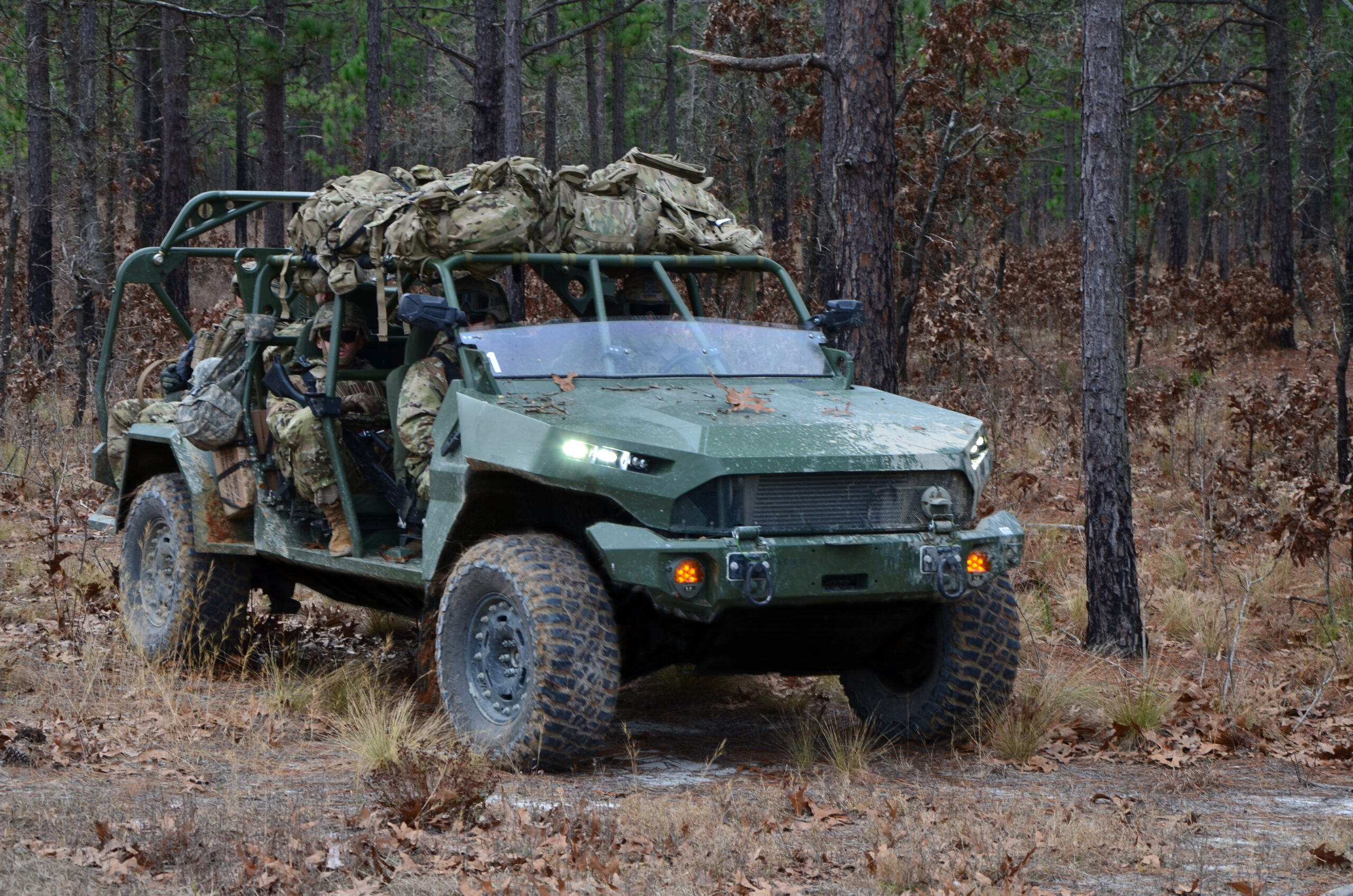
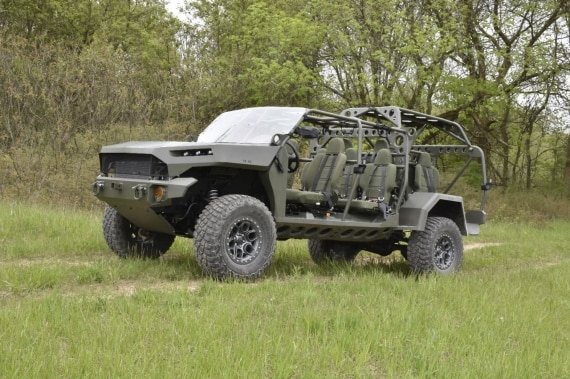
GM Defense made delivery of its Infantry Squad Vehicle in just 120 days from contract award. Next up: intensive Army testing, with two trucks set aside for parachuting out of airplanes. The 82nd Airborne gets the first ISVs next year.
Auto giant General Motors is the outsider in a competition against two teams of companies with decades of defense experience: Oshkosh-Flyer and Polaris-SAIC.
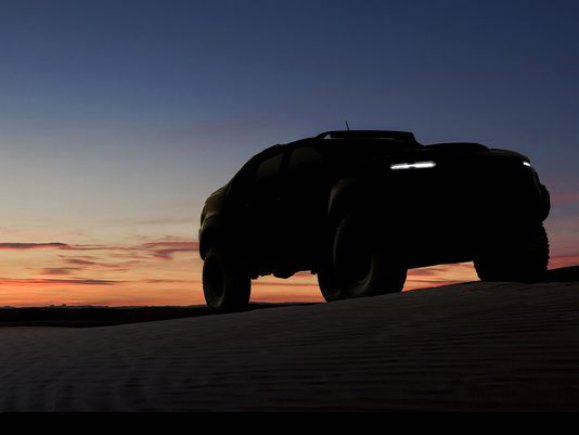
AUSA: Last year we introduced Breaking D readers to a camouflage-painted, hydrogen-powered pickup truck GM was going to test for the Army. This year, the Chevrolet Colorado ZH2 is back at AUSA, still dirty from months of tests at various Army bases around the United States. Its fuel cell turns hydrogen into electricity, powering an […]
AUSA: I’ve covered the Army since 1997 and detailed its acquisition disasters from Crusader to Comanche to Future Combat System to — oh, let’s not get depressed and stop there — and I could not imagine the Big Green Machine putting a contract together for a new vehicle in nine months, let alone issuing a […]
Much like microwaves and satellites, the US military could serve as an incubator for hydrogen fuel cell vehicle technology, helping it advance to a point where it can stand on its own in the global marketplace. In one of the latest examples of the private sector collaborating with the military on new technologies, General Motors […]